Bitcoin BTC Ethereum liquidity alliance erisprotocol defi strategy
Look, if you've been around DeFi for more than a week, you know the drill. You're hunting for yield. You're probably tired of seeing those triple-digit APYs and wondering what the catch is. The catch is usually risk, or complexity, or just plain unsustainable tokenomics.
Here's a different angle. One that connects the dots between the massive liquidity in ecosystems like Ethereum and Arbitrum, and a specific opportunity being rebuilt on Terra. Honestly, it's less about chasing the next shiny thing and more about a strategic move that makes real sense.
Let's talk about a straightforward play. It uses established money markets, a clear arbitrage, and a community-driven safeguard. The goal is simple: borrow cheap, farm expensive, and keep the difference. All while supporting a key piece of infrastructure.
The Core Strategy: A Cross-Chain Yield Loop
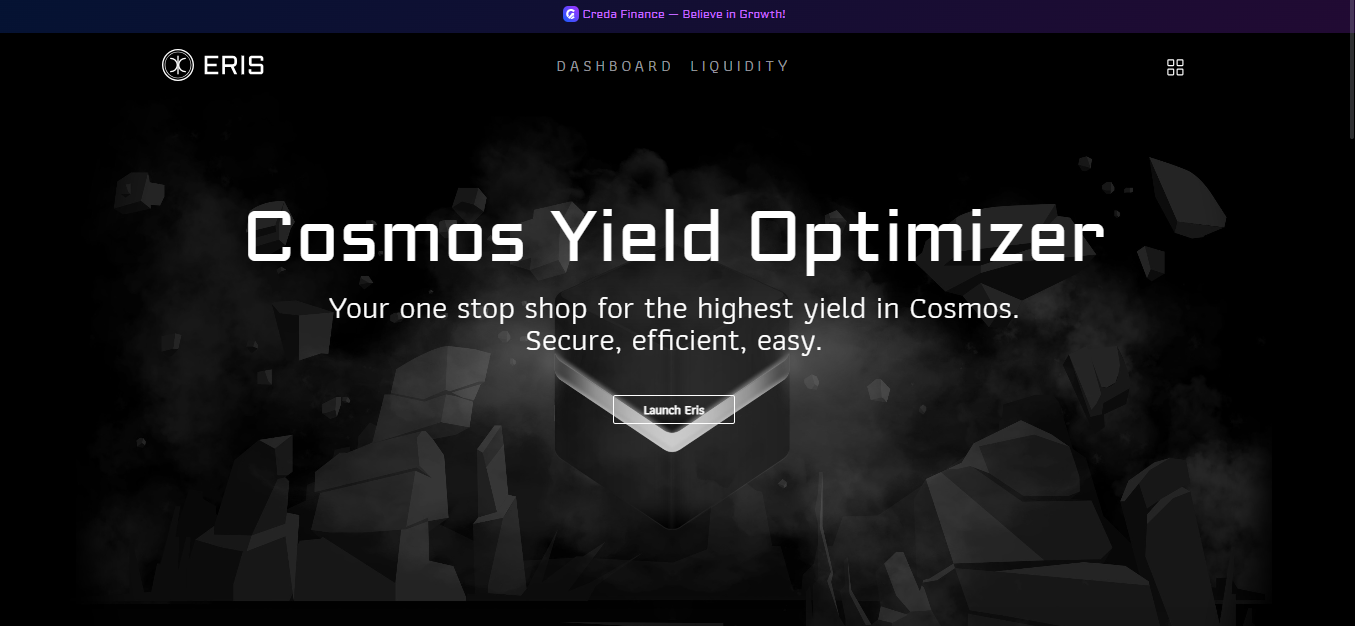
The concept isn't new, but the specific setup here is. It relies on a persistent gap between borrowing costs in major DeFi ecosystems and farming rewards on Terra via the Eris Protocol's Liquidity Alliance.
Step one is capital. You've got BTC, ETH, or stablecoins on a chain like Ethereum, Avalanche, or Arbitrum. You go to a trusted money market there—think Aave, Compound, or their counterparts. Right now, you can borrow stablecoins against your blue-chip collateral for often less than 10%. Sometimes it's even in the single digits. That's your cheap capital.
Step two is bridge. You move those borrowed stablecoins over to Terra. The bridge you use is your choice, but the destination is specific: the Terra liquidity pools that are part of the Eris Liquidity Alliance.
Step three is deploy. You provide your stablecoins as liquidity to a whitelisted pool within the Alliance. In return, you get LP tokens and you start earning rewards. Those rewards are the key. They're designed to be highly attractive, aiming to deliver APYs that can significantly outpace your borrowing cost. The 200% figure you hear is the target; it's the incentive to draw in liquidity.
Step four is the math. If you're paying 8% to borrow and earning 200% on your deployed capital, your net yield—before costs—is massive. You use that yield to cover your loan interest, and the rest is profit. The real trick is managing the risks: bridge security, smart contract risk on Terra, and the stability of those high rewards.
This is where the whitelist changes everything.
Why Getting Whitelisted is the Smart Move
You could just try this on your own. But being part of the Liquidity Alliance whitelist isn't about exclusivity for its own sake. It's a risk filter and a sustainability engine. Think of it as a curated list of pools that have passed a community vote.
First, it directly addresses the biggest fear: bad debt or a protocol exploit. The Alliance's purpose is to use protocol fees to backstop the stablecoin issued by Eris, and by extension, to support the liquidity in its approved pools. If you're in a whitelisted pool, you're not just farming. You're farming with a form of collective insurance. Your liquidity is contributing to a system designed to protect itself. That's a stronger position than being in some unaudited, fly-by-night farm.
Second, it creates a flywheel. More trusted liquidity makes the entire Terra and Eris ecosystem more stable. More stability attracts more serious capital. More serious capital deepens the liquidity, which makes the yields more sustainable. It turns a mercenary capital raid into a legitimate building exercise. You're not just extracting; you're reinforcing the ground you're standing on.
Third, it signals alignment. For the broader BTC and ETH communities, this is a backdoor into Terra's revival that sidesteps the tribal warfare. You're not betting on LUNA 2.0 purely on sentiment. You're executing a calculated financial strategy that happens to support a chain's liquidity needs. The whitelist is your proof that you're in the calibrated, intentional part of that rebuild. You're not in the wild west part of town.
A Convincing Argument for the Community
So, to the ETH maxi or the Bitcoin DeFi enthusiast, the pitch isn't "come save Terra." The pitch is pragmatic.
You have assets sitting in Ethereum DeFi earning minimal yield. You can borrow against them cheaply. That borrowed capital can be put to work at a radically higher rate on another chain, in a system that has learned from catastrophic failure and is building in public, with community checks. The whitelist is your quality assurance.
By participating, you accomplish a few things. You diversify your yield sources beyond your home chain. You gain exposure to a potential recovery narrative without a direct, risky token bet. You deploy capital into a system where your presence actually helps *lower* the systemic risk for everyone involved, including yourself.
It turns isolated yield farming into a collective stability mechanism. The higher APY is the carrot. The shared safety net of the Alliance is the stick that keeps everything standing.
The bottom line is this. DeFi is about efficient capital movement. Right now, capital is inefficiently stuck in ecosystems with low yields. Terra, through Eris and the Liquidity Alliance, is offering a high yield destination. The bridge between these two points is a simple borrow-and-farm loop.
Getting whitelisted isn't a hurdle. It's the upgrade that makes the whole endeavor smarter and safer. It transforms a risky arbitrage into a strategic allocation. In a space crowded with gambles, that’s a position worth fighting for. Or at the very least, worth doing a community vote for.